AI Health & Wellness Law: The U.S. Legal Guide for Founders
U.S. legal guide for AI wellness apps, therapy chatbots, digital health and supplement brands. FDA, FTC, health privacy, AI training and state laws.
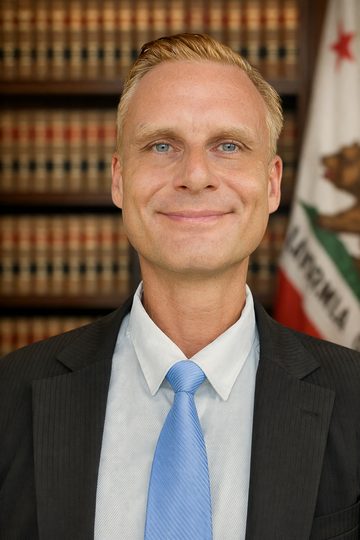
Sergei Tokmakov, Esq.Admitted in California (Bar No. 279869) and Washington (WSBA No. 65720). My law firm won the 2026 American Legal Technology Awards, Law Firm category.
An AI wellness application can become a regulated medical device because of what it promises to users. A mental-health chatbot can encounter professional licensing restrictions even if its developer never employs a therapist. A nutrition application can collect legally protected consumer health data without being subject to HIPAA. A supplement company's AI recommendation engine can make unlawful disease-treatment claims that appear nowhere on its product labels.
These are different legal problems. Solving one does not necessarily solve the others.
This hub is designed for founders, product managers, software developers, healthcare technology operators, supplement businesses and marketing teams building or commercializing:
- AI wellness, fitness, sleep, mindfulness and nutrition applications.
- AI mental-health assistants, therapy chatbots and emotional-support tools.
- AI companions, virtual friends and conversational products.
- Digital-health software and clinician-facing AI tools.
- Personalized dietary and herbal supplement businesses.
- AI systems that collect, analyze or learn from health information.
The guide follows the decisions a business needs to make before launch: product classification, professional licensing, geographic availability, data collection, model training, advertising, contracts and operational safeguards. The enforcement table and launch checklist translate these legal issues into practical business decisions.
I am Sergei Tokmakov, Esq., admitted in California (State Bar No. 279869) and Washington (WSBA No. 65720). My law firm won the 2026 American Legal Technology Awards in the Law Firm category. My practice includes technology, SaaS, privacy, AI and health-tech contracts and compliance. This hub builds on my existing Healthcare SaaS legal practice.
Legal reference date: November 29, 2026. Enacted laws with future effective dates are identified separately where relevant. The state-law discussion is a targeted overview, not an exhaustive nationwide legal clearance.
Packages for AI health, wellness and supplement companies
One attorney for the regulatory, privacy, AI-data, advertising and contract questions together.
AI Wellness Legal Launch & Compliance
Legal launch review for AI wellness apps covering FDA classification, health privacy, AI data rights, advertising, contracts and subscriptions.
Request this packageSee what is includedAI Therapy Legal Launch & Compliance
Legal assessment for AI mental-health products covering licensing, FDA classification, patient privacy, clinical oversight, minors and crisis escalation.
Request this packageSee what is includedDietary & Herbal Supplement Business Compliance
Legal review for supplement brands covering FDA labeling, health claims, scientific substantiation, AI advertising, privacy and commercial contracts.
Request this packageSee what is includedAI Health & Wellness Outside Counsel (per month)
Monthly legal counsel for AI health, wellness and supplement businesses covering advertising, contracts, privacy and ongoing product changes.
Request this packageSee what is includedEach fee is a starting fee. The engagement letter confirms the exact scope, jurisdictions and fee in writing before any payment. Packages do not include clinical or scientific validation, FDA submissions, litigation or outside expert fees.
Ask the AI Legal Analyst about your AI health or wellness product
Describe what your product does, who uses it and where. You get general legal information right away, with no email needed for the first questions.
Start with what the product actually does, what information it receives and what users reasonably expect it to deliver. A single product may fall within several rows of this table.
| Product feature | Potential legal regime | Key question | Where to read more |
|---|---|---|---|
| General fitness, relaxation, sleep or healthy-habit coaching | FDA general wellness policy; FTC advertising law | Does the product support healthy behavior or claim to treat a medical condition? | Product classification |
| Personalized disease predictions, symptom interpretation or treatment recommendations | FDA medical-device regulation; state professional licensing | Is the software performing a medical function, and who is responsible for its output? | Product classification |
| AI tools recommending treatment options to clinicians | FDA clinical decision support framework | Can the clinician independently evaluate the basis of each recommendation? | Product classification |
| Autonomous AI therapist or psychological counseling chatbot | State AI therapy restrictions; professional licensing; potentially FDA regulation | Can this function legally be delivered without a licensed professional? | Is AI therapy legal? |
| Virtual friend, romantic companion or persistent emotional-support chatbot | State companion-chatbot laws; consumer protection; privacy law | Does the product simulate a relationship or create emotional dependency? | AI therapy and companion products |
| Access by children or teenagers | COPPA; state privacy and chatbot laws | What age-assurance, consent and safety controls are required? | Minors and crisis safeguards |
| Software processing patient records for healthcare providers | HIPAA; business associate obligations; state medical confidentiality laws | Is the company processing protected health information on behalf of a regulated entity? | Healthcare SaaS Hub |
| Direct-to-consumer collection of symptoms, mood or health-related activity | FTC Health Breach Notification Rule; state consumer health privacy laws | What rules apply even when HIPAA does not? | Consumer health privacy for wellness apps |
| AI training using conversations, patient information or inferred health conditions | HIPAA where applicable; state privacy law; FTC Act; contractual data rights | Does the company have lawful authority for this separate use? | AI therapy training data |
| Personalized supplement recommendations | FDA dietary supplement rules; FTC substantiation requirements | Is the recommendation supported, and does it communicate a disease-treatment claim? | Dietary and herbal supplements |
| AI-generated doctors, endorsements or health-product testimonials | FTC advertising law; testimonial rules; state professional-title restrictions | Could consumers mistake synthetic content for genuine professional advice or experience? | AI Advertising Compliance Hub |
| Advertising based on symptoms, diagnoses or therapy conversations | FTC Act; consumer health privacy laws; potentially HIPAA | May the information lawfully be transferred to the advertising platform? | Consumer health privacy and advertising |
| Recurring paid membership or subscription | Federal and state consumer protection and automatic-renewal requirements | Are price, renewal, cancellation and consent presented accurately? | Contracts and launch checklist |
Whether an AI product is regulated as a medical device depends on its intended use and functionality, not simply its technological sophistication. An application using a powerful language model may remain a general wellness product. A relatively simple algorithm that performs a medical diagnostic function may be a medical device.
FDA's General Wellness Policy
On January 6, 2026, FDA issued updated final guidance, General Wellness: Policy for Low Risk Devices.
The framework reflects the statutory exclusion in Section 520(o)(1)(B) of the Federal Food, Drug, and Cosmetic Act for certain software supporting healthy lifestyles without a disease-related diagnostic or therapeutic purpose. The guidance also addresses FDA's approach to low-risk general wellness products more broadly.
Potential general wellness functions include:
- Encouraging regular exercise and healthy eating habits.
- Helping users maintain a consistent bedtime routine.
- Providing general mindfulness and relaxation exercises.
- Tracking personal fitness goals and ordinary lifestyle activities.
- Supporting general emotional well-being without diagnosing or treating a psychiatric condition.
FDA's policy also contemplates certain low-risk healthy-lifestyle claims relating to established associations with reduced risk or improved management of chronic conditions. This is a narrower category than a general permission to make disease-related claims. The wording, supporting evidence, underlying function and degree of risk all matter.
General wellness status does not eliminate advertising substantiation requirements, privacy obligations, product-safety responsibilities or state licensing restrictions. The guidance is not a blanket exemption for every product described as wellness software. It also is not the governing FDA framework for dietary supplements themselves.
How marketing creates medical intended use
FDA evaluates the objective intended use of a product. Its medical-purpose classification resource explains that the product's design, representations and circumstances of distribution are relevant.
For an AI business, the intended-use review should extend beyond the website's legal disclaimer. Relevant evidence can include the application name, app-store description, sales presentation, onboarding questionnaire, clinician-facing materials, model instructions, generated recommendations and the health conditions the system is designed to address.
| Potential wellness positioning | Positioning that warrants medical-device review |
|---|---|
| Build healthier sleep habits. | Diagnose and treat chronic insomnia. |
| Practice everyday stress-management techniques. | Provide personalized treatment for generalized anxiety disorder. |
| Explore general nutrition and exercise information. | Calculate a personalized treatment regimen for diabetes. |
| Record mood and reflect on daily experiences. | Detect depressive episodes and determine appropriate treatment. |
| Organize questions to discuss with a clinician. | Determine whether the user needs prescription medication. |
These examples are screening tools, not definitive classifications. Even apparently conservative marketing can become misleading if the software routinely provides substantially more consequential medical recommendations.
Conversely, references to medical information do not automatically make a product a medical device. A general educational resource, administrative tool or communication platform may have a different regulatory position from software that interprets individual clinical information and recommends treatment.
A disclaimer stating that the product is not a medical device will not override a contrary intended use established by the actual product.
Clinical decision support software
FDA issued updated final Clinical Decision Support Software guidance on January 6, 2026, and reissued it on January 29, 2026.
Section 520(o)(1)(E) establishes a conditional exclusion for qualifying clinical decision support software. In simplified terms, the statutory criteria address whether the software:
- Avoids specified medical-image and signal-processing functions.
- Displays, analyzes or prints medical information of the type contemplated by the statute.
- Supports a healthcare professional's recommendations concerning prevention, diagnosis or treatment.
- Allows the professional to independently review the recommendation's basis rather than primarily relying on the software's recommendation for a clinical decision.
All applicable statutory criteria must be satisfied. Selling software exclusively to clinicians does not automatically establish the exclusion.
For example, an AI tool that identifies relevant treatment literature, presents its sources and assists a physician in considering alternatives has a different regulatory profile from a system issuing opaque, patient-specific treatment directives.
A patient-facing AI treatment chatbot cannot simply assume that a statutory exclusion designed around healthcare professionals' independent evaluation applies to its consumer-facing functions.
Device software functions and Software as a Medical Device
Software as a Medical Device, commonly abbreviated SaMD, generally refers to software performing a medical purpose without needing to be part of a medical-device hardware system.
FDA's Policy for Device Software Functions and Mobile Medical Applications distinguishes software outside the device definition, regulated software for which FDA intends to exercise enforcement discretion, and software that is a focus of active device oversight.
These categories have materially different consequences:
- Non-device software: The function falls outside the applicable medical-device definition or within a statutory exclusion.
- Enforcement discretion: The function may meet the device definition, but FDA has described circumstances under which it generally does not intend to enforce certain device requirements.
- Actively regulated device software: Classification, applicable premarket requirements, quality systems, labeling, reporting and other regulatory obligations require assessment.
Enforcement discretion is not FDA approval, a statutory exemption or a permanent entitlement. A change in functionality or safety risk may change the analysis.
For multifunction applications, evaluate each material software function. The same platform may contain ordinary wellness content, administrative functionality and a separately regulated diagnostic or therapeutic function.
Generative AI and mental-health medical devices
FDA convened its Digital Health Advisory Committee on November 6, 2025, specifically to examine generative AI-enabled digital mental-health medical devices. The FDA committee record identifies benefits, safety risks, possible risk controls, premarket evidence and postmarket monitoring as areas of discussion.
This activity is particularly relevant to businesses developing AI therapists, psychiatric assessment tools and autonomous mental-health interventions. Generative systems can produce individualized responses that change across users, conversations and model versions. Safety evaluation therefore cannot necessarily be limited to a fixed collection of prewritten answers.
The committee's recommendations are advisory. The meeting itself did not authorize individual products or establish a comprehensive binding regulatory framework specifically for AI therapy chatbots.
FDA has also issued final guidance concerning predetermined change control plans for AI-enabled device software and draft guidance concerning AI-enabled device lifecycle management and marketing submissions. Both appear in its digital health guidance inventory. Regulated products should account for the legal consequences of model updates, not just initial deployment.
What founders should document before launch
- The intended use and intended user population of each material feature.
- The conditions, if any, that the software is designed to identify or address.
- A complete inventory of medical, wellness and efficacy claims.
- The distinction between educational content and individualized medical recommendations.
- The consequences of inaccurate, delayed or inappropriate output.
- The human review available before a consequential decision is made.
- The process for approving material changes to models, prompts and functionality.
Perform this assessment before finalizing marketing, investor presentations and the commercial product architecture. Changing the product's legal classification can be significantly more expensive after launch than addressing the issue during design.
The legal question is not simply whether artificial intelligence can provide emotional support. It is whether a particular system is performing activities reserved for licensed professionals, making misleading representations, or triggering legislation regulating mental-health and companion chatbots.
By November 2026, several states had enacted laws specifically addressing these products. Some restrict therapeutic functions. Others regulate disclosures, data practices, crisis responses or access by minors. These approaches can overlap, but they are not interchangeable.
State laws restricting AI therapy and regulating mental-health chatbots
| State and authority | Effective date | Principal restrictions | Business implications |
|---|---|---|---|
| Illinois: HB 1806, Public Act 104-0054, Wellness and Oversight for Psychological Resources Act | August 1, 2025 | Restricts the provision and advertising of therapy and psychotherapy services to services conducted by licensed professionals. Limits how those professionals can use AI, including restrictions on independent therapeutic decisions, direct therapeutic communication and emotion detection. | An autonomous AI therapist presents substantial legal risk. Even clinician-supervised applications must respect the restrictions on permissible AI functions. |
| Nevada: AB 406, Chapter 283, 2025 Statutes | July 1, 2025, for substantive requirements | Restricts AI systems specifically programmed to provide professional mental or behavioral healthcare and prohibits representations that the system provides such care or holds professional credentials. Limits AI use by licensed providers. | Do not rely on disclaimers to overcome prohibited programming or professional impersonation. Distinguish self-help products from professional care. |
| Utah: HB 452, Utah Code Chapter 13-72a | May 7, 2025, for the original substantive protections | Regulates generative AI mental-health chatbots, including disclosures, restrictions on sharing user inputs and identifiable health information, and advertising practices. | A product designed or reasonably understood to improve mental health may trigger this law even without calling itself a therapy service. |
| California: AB 489, Chapter 615, Statutes of 2025; California Board of Psychology legislative advisory | January 1, 2026 | Prohibits misleading use of protected professional titles and representations that AI-generated health services or advice are provided by licensed professionals. | Review chatbot names, credentials, avatars, professional biographies, generated statements and representations of clinical involvement. |
| Colorado: HB 26-1195, Psychotherapy Artificial Intelligence Restrictions | August 12, 2026 | Restricts therapeutic communication involving AI without simultaneous, real-time interaction with the regulated professional and client. Requires professional review and approval of AI-generated therapeutic recommendations and treatment plans. | Asynchronous review alone may be inadequate for interactive therapeutic features. Professional responsibility and the permitted use of AI must be built into the actual workflow. |
These statutes illustrate why the legal analysis must distinguish an independent consumer chatbot from software used by a licensed professional. The presence of a clinician somewhere in the business does not necessarily authorize every therapeutic interaction.
Illinois and Nevada: restrictions on the service itself
Illinois and Nevada are particularly important for founders developing autonomous AI therapists. Their laws address substantive therapeutic activity, not merely disclosure.
A chatbot that independently evaluates psychological symptoms, determines individualized treatment plans and delivers psychotherapy-like interventions may encounter restrictions even when the user acknowledges that the chatbot is artificial intelligence.
Nevada expressly preserves room for qualifying self-help products that do not purport to provide professional mental or behavioral healthcare. The distinction should be reflected in the actual features, sales materials and conversational outputs.
For Illinois, review the permitted administrative and supplementary uses under the statute rather than assuming that general professional supervision authorizes AI to communicate therapeutically with patients.
Utah: mental-health chatbot privacy and disclosure requirements
Utah's framework is relevant to a wider range of emotional-support products because its statutory definition considers both the conversational nature of the technology and what the supplier represents, or a reasonable person would understand, the product to do.
Under Utah Code Section 13-72a-201, sharing or selling a Utah user's identifiable health information or chatbot inputs is subject to substantial restrictions. Specific exceptions permit certain disclosures of identifiable health information, including narrowly defined sharing necessary for chatbot functionality under contractual safeguards incorporating specified HIPAA requirements.
These provisions deserve particular attention when the application sends conversation content to an external model provider, analytics company or advertising service.
Section 13-72a-203 requires disclosure of the chatbot's artificial nature before users access its features, when a user returns after the prescribed period of inactivity, and when a user asks whether AI is being used.
Utah also provides a mental-health chatbot policy registration process. Participation and the associated statutory protections should be evaluated separately from the supplier's underlying legal obligations.
AI companion chatbot laws
A companion application may not describe itself as a medical or therapy product at all. Nevertheless, persistent conversations, emotional personalization, simulated relationships and recurring engagement can bring it within laws specifically regulating AI companions.
| Jurisdiction | Law and status | Key considerations |
|---|---|---|
| New York | General Business Law Article 47, effective November 5, 2025 | Crisis-detection and referral protocols; disclosure at the beginning of an interaction and every three hours of continuing use, as explained in the Governor's implementation announcement. |
| California | SB 243, Chapter 677, Statutes of 2025; effective January 1, 2026. Official signing announcement. | AI disclosures, self-harm response protocols, additional safeguards and break reminders for minors, and reporting requirements with a later implementation date. |
| Hawaii | SB 3001, Artificial Intelligence Disclosure and Safety Act, enacted as Act 248 on July 14, 2026 | Companion disclosures, crisis-response protocols and heightened safeguards for minors. Annual reporting begins in 2028. |
| Colorado | HB 26-1263, Conversational AI Service Operator Requirements; session-law effective date August 12, 2026, with phased implementation | Safety protocols, disclosures and protections for minors using covered conversational AI services. |
| Washington | HB 2225, Chapter 168, 2026 Laws; effective January 1, 2027 | Additional companion-chatbot obligations. Businesses operating in Washington should evaluate this law alongside the existing My Health My Data Act. |
| Oregon | SB 1546, Chapter 85, 2026 Laws | Disclosure, crisis safeguards, protections for minors, public reporting and a private remedy for users suffering qualifying harm. |
| Connecticut | SB 5, Public Act 26-15; companion provisions effective January 1, 2027. Official signing announcement. | Safety protocols and additional protections for minors interacting with covered AI companions. |
| Nebraska | LB 525, Laws 2026; relevant provisions operative July 1, 2027. Nebraska Revised Statutes Section 86-1804. | Conversational AI disclosures and crisis-response requirements. |
| Idaho | S 1297, Conversational AI Safety Act; effective July 1, 2027. Official legislative enactment record. | Review conversational AI functionality and safeguards for children before the effective date. |
| Iowa | SF 2417; effective July 1, 2026, applicable July 1, 2027 | Establishes requirements for conversational AI services, with civil penalties. |
| New York | A10379, Chapter 368 of the Laws of 2026; General Business Law Article 48, effective January 1, 2027 | Restricts specified unsafe AI companion features for minors and requires qualifying age-determination measures before providing such features to adults. |
California also enacted SB 1119, known as Adam's Law, on September 10, 2026. The Governor's announcement describes more extensive child-safety requirements, including risk assessments, audits and parental controls. Businesses should plan for its phased implementation rather than treating compliance with the original SB 243 requirements as sufficient indefinitely.
These examples are not an exhaustive state inventory. State laws differ substantially in their definitions, exclusions, age thresholds, implementation schedules and enforcement mechanisms. A product outside one state's definition of an AI companion may fall inside another state's broader definition of conversational AI.
Professional licensing and the corporate practice of healthcare
AI-specific legislation is only part of the analysis. Existing professional licensing laws can apply to a technology business that markets or delivers regulated healthcare services. California's Attorney General addressed this overlap in a January 2025 legal advisory concerning AI in healthcare.
Where licensed care is involved, the commercial structure matters. Review who contracts with patients, controls clinical decisions, owns the professional practice, employs clinicians, maintains records, collects professional fees and assumes responsibility for patient care.
A medical director, clinical advisor or therapist reviewing selected outputs is not necessarily equivalent to a licensed professional conducting a particular patient's treatment.
For multistate products, evaluate the law where the patient receives the service. Professional licensure, telehealth requirements, professional-entity ownership restrictions, fee-splitting and scope-of-practice limitations may differ by jurisdiction.
Similar questions arise for AI nutrition products when personalized dietary advice crosses into activities reserved for licensed or otherwise regulated nutrition professionals.
Minors, crisis escalation and human oversight
The federal Children's Online Privacy Protection Rule applies to covered online services directed to children under 13 and to other covered operators with actual knowledge that they collect personal information from children under 13. The FTC's COPPA compliance guidance addresses parental notice, consent, security, access and retention.
In April 2025, the FTC published amendments to the COPPA Rule that strengthened several protections, including restrictions relating to third-party disclosures and retention of children's information.
Even when COPPA does not apply, teenagers may be protected by state companion-chatbot, health privacy and online safety laws. An age limit in the terms of use is not necessarily a sufficient age-assurance system.
For mental-health and companion products, the operational safety program should address:
- Whether minors can access the product, how age is determined and what happens when age cannot reliably be established.
- Appropriate disclosures distinguishing software from a human, a licensed clinician or an emergency responder.
- Recognition of crisis-related communications and escalation procedures developed with appropriate clinical input.
- Restrictions on harmful content, professional impersonation, manipulative engagement and emotional dependency.
- What happens when a user attempts to bypass safety controls through role-play, repeated instructions or misleading descriptions.
- Documented human oversight, responsibility for consequential decisions, incident review and procedures for suspending unsafe functionality.
In the U.S., the 988 Suicide and Crisis Lifeline is one resource identified in New York's statutory crisis-response requirements. A referral message alone may not satisfy every applicable law or the product's broader safety obligations.
Do not advertise continuous clinical monitoring, live emergency assistance or human intervention unless the service actually has the personnel, infrastructure and procedures necessary to deliver what is promised.
For further analysis, see Is AI therapy legal in the United States?
Many founders begin their privacy review by asking whether HIPAA applies. That is an important question, but it is no longer a sufficient starting and ending point.
An AI application can fall outside HIPAA while remaining subject to federal breach notification requirements, state health privacy laws, medical confidentiality statutes and general consumer protection law.
When HIPAA applies to AI health applications
HIPAA principally regulates covered entities and their business associates. Covered entities include qualifying healthcare providers, health plans and healthcare clearinghouses. Business associates perform specified functions or services involving protected health information on behalf of covered entities or other business associates.
HHS maintains resources for mobile health application developers explaining how the relationship between an application developer, consumers and healthcare providers affects HIPAA applicability.
Consider three different business models:
- Direct-to-consumer wellness application: Consumers independently download the application and use it for personal health tracking. The developer is not automatically a HIPAA business associate merely because the data concerns health.
- Clinical SaaS vendor: A healthcare provider contracts with the developer to process identifiable patient records. The developer will generally be a business associate where the statutory and regulatory conditions are met.
- Hybrid platform: The same company operates a consumer wellness application and a separate clinical product for healthcare organizations. Different legal obligations may attach to each service and its data flows.
Signing a business associate agreement, or BAA, does not by itself establish HIPAA compliance. Applicable administrative, physical and technical safeguards, permitted-use restrictions, incident response and subcontractor arrangements must also be addressed.
A model provider processing protected health information on behalf of a business associate may itself be a subcontractor business associate. Determine whether the exact product, account configuration and services being used are covered by an appropriate agreement.
See the Healthcare SaaS Hub for the BAA and healthcare contracting framework.
The FTC Health Breach Notification Rule
The FTC's Health Breach Notification Rule, 16 CFR Part 318, addresses certain health information outside HIPAA. Amendments effective July 29, 2024 clarified the rule's application to health applications and related technologies.
The rule covers qualifying vendors of personal health records, related entities and third-party service providers. The definition of a personal health record includes a technical capacity to obtain information from multiple sources.
For example, an application that receives information from users and can also synchronize with fitness trackers or another health-information source may fall within the rule.
As explained in the FTC's business compliance guidance, the triggering event is not limited to an external cybersecurity attack. An unauthorized disclosure to an advertising or analytics service can constitute a breach.
Covered businesses must assess notification obligations to affected individuals, the FTC and, in some circumstances, the media. Service providers have corresponding duties to notify the regulated entity. The applicable deadlines depend on the circumstances and number of affected individuals.
A breach response plan should therefore cover inadvertent transmissions through marketing pixels, model integrations, software development kits, support tools and analytics platforms, not merely stolen passwords or compromised databases.
Washington's My Health My Data Act
Washington's My Health My Data Act, Chapter 19.373 RCW, addresses consumer health information that may fall outside traditional medical privacy laws.
According to the Washington Attorney General's implementation guidance, the principal regulated-entity requirements took effect on March 31, 2024, and on June 30, 2024 for qualifying small businesses. The geofencing prohibition took effect earlier, on July 23, 2023.
The statute reaches qualifying information associated with a consumer's physical or mental health, including certain health inferences derived from otherwise nonmedical information. It can apply to businesses outside Washington that meet the statute's geographic and commercial nexus requirements.
Examples requiring assessment include mood records, fertility information, supplement recommendations based on medical conditions, medication histories, therapy-related communications and health profiles inferred by an AI system.
The principal operational requirements include:
- A dedicated consumer health data privacy policy with the required disclosures and a prominent homepage link.
- Lawful grounds for collecting consumer health data, including consent where required.
- Separate consent for sharing when the statutory necessity exception does not apply.
- A separate, valid authorization for sales of consumer health data.
- Consumer access, withdrawal, deletion and appeal procedures.
- Appropriate security practices, access restrictions and processor contracts.
- Restrictions on specified geofencing activities around healthcare facilities.
The Act is enforceable through Washington's Consumer Protection Act, creating potential exposure to private claims as well as Attorney General enforcement, subject to the applicable requirements for those actions.
For an AI product, the distinction between processing information to provide a requested service and collecting information for separate research, profiling or model-training purposes is especially important.
Detailed Washington resources:
- My Health My Data Act compliance for wellness applications.
- AI mental-health chatbots under Washington's health privacy law.
- Mental-health chatbot privacy in Washington.
- Washington therapy application compliance.
- HIPAA versus MHMDA for mental-health SaaS.
- MHMDA compliance for mental-health SaaS providers.
Nevada SB 370
Nevada enacted its consumer health data privacy legislation through SB 370, Chapter 525, 2023 Statutes, effective March 31, 2024.
The requirements are codified in NRS Chapter 603A and address health data privacy policies, collection and sharing, consumer rights, security, processors, sales and geofencing.
Although Nevada's framework resembles Washington's, it has different definitions, exclusions and enforcement provisions. The Nevada consumer health data statute does not establish a private right of action for its violation.
A Washington-compliant privacy document should not simply be renamed and assumed to satisfy Nevada's requirements. Nevada's separate AI mental-health legislation also requires its own analysis.
Connecticut and other state privacy laws
The Connecticut Data Privacy Act took effect on July 1, 2023. Its subsequently expanded protections include specific requirements for consumer health data controllers.
Importantly, Connecticut's Attorney General explains that covered consumer health data controllers doing business in the state are subject to the Act regardless of the ordinary business-size thresholds. Small AI startups should not assume that low revenue or a limited number of users excludes them.
Other comprehensive state privacy laws can also regulate health information as sensitive personal data. The Maryland Online Data Privacy Act, effective October 1, 2025, is particularly notable for its restrictions on sensitive data, including consumer health data, and its data-minimization requirements.
Consent is not a universal solution. Some state provisions impose substantive restrictions on collecting, using or selling sensitive information regardless of how broadly the business drafts its consumer consents.
California CMIA and CCPA
California's Confidentiality of Medical Information Act, or CMIA, is another important consideration for consumer-facing health software. Civil Code Sections 56.05 and 56.06 extend the medical confidentiality framework to specified technology businesses, including qualifying mental-health and reproductive or sexual health digital services.
This means an application may be outside HIPAA while still falling within California's medical confidentiality framework.
California's January 2025 AI healthcare legal advisory addresses the application of existing state privacy and healthcare laws to AI.
California also enacted AB 1979 and SB 503 in September 2026, as confirmed in the official signing announcement. Founders should include these new healthcare AI laws in their upcoming California compliance reviews.
Separately, the California Consumer Privacy Act, as amended by the California Privacy Rights Act, regulates covered businesses' processing of personal information. Personal information collected and analyzed concerning a consumer's health can qualify as sensitive personal information.
The applicable requirements may include notices, access and deletion rights, correction rights, sale and sharing opt-outs, and the right to limit specified uses and disclosures of sensitive personal information. See the California Attorney General's CCPA resource.
HIPAA- and CMIA-related exemptions from particular CCPA requirements must be evaluated against the information and activities involved. They do not necessarily exclude every operation of a healthcare-related company.
For broader California consumer privacy analysis, see the California Privacy Law Hub.
Build a data map before writing the privacy policy
A reliable privacy review starts with a technical inventory. Identify every location where health-related data is collected, transmitted, transformed, retained or accessed.
Include prompts, model responses, conversation histories, account identifiers, inferred conditions, analytics events, session recordings, support messages, vector databases, backups and training datasets.
Pay particular attention to indirect disclosures. An advertising event that combines an email address or device identifier with the name of a mental-health condition can reveal sensitive information even when the underlying conversation is never transmitted.
A privacy notice should describe the product that actually exists. It cannot compensate for undisclosed data transfers or an architecture incapable of honoring consumer rights.
For many AI health companies, the most valuable long-term business asset is the information generated through user interactions. It can also become the company's most significant legal liability.
The ability to access user information does not establish the right to use that information for every commercially desirable purpose.
Distinguish service delivery from model development
A user who submits information to receive a personalized wellness recommendation may reasonably expect the company to process that information to generate the recommendation. The same user may not expect the company to retain the conversation indefinitely, incorporate it into a commercial training dataset or disclose it to an external model developer.
These are separate processing activities:
| Activity | Principal legal consideration |
|---|---|
| Generating a response to the user's current request | Authority to process information for the requested service. |
| Maintaining conversation history | Retention, transparency, user control and necessity. |
| Human review of selected conversations | Confidentiality, permitted access and disclosure. |
| Evaluating model performance using historical conversations | Secondary-use authority, data minimization and confidentiality. |
| Fine-tuning a proprietary model | Training rights, privacy restrictions and deletion obligations. |
| Allowing an external provider to train its general-purpose models | Third-party disclosure and independent commercial use. |
| Licensing health information to researchers or other businesses | Applicable consent, authorization, sale restrictions and contractual rights. |
| Creating commercial profiles from sensitive conversations | Health privacy, profiling, advertising and purpose limitations. |
The appropriate legal basis depends on the applicable law, contractual commitments and intended processing purpose. A broad intellectual property license in the terms of use does not override health privacy statutes or authorize otherwise prohibited disclosures.
Consent, purpose limitations and historical data
Where model training is legally permissible, a separate, affirmative and appropriately specific consent is generally a more defensible starting point than burying training rights in ordinary terms of use.
The consent mechanism should explain what information is used, the training purpose, who receives the information, whether identifiable information is involved, how long it is retained and what withdrawal means in practice.
Some processing activities may remain prohibited despite consumer consent. Utah's mental-health chatbot restrictions and Maryland's sensitive-data limitations illustrate why a universal opt-in checkbox is not sufficient for every jurisdiction.
Historical data requires separate attention. In February 2024, FTC staff published AI (and other) Companies: Quietly Changing Your Terms of Service Could Be Unfair or Deceptive, warning businesses against retroactively expanding the permitted uses of previously collected consumer information through inconspicuous policy amendments.
A startup pivoting from a subscription wellness service to an AI model-development business should not assume that its existing user database can automatically become a training dataset.
De-identification is a technical and legal process
Replacing names with account numbers does not necessarily de-identify health information. Free-text conversations may contain addresses, unusual medical histories, family details, employment information and other facts capable of identifying an individual.
Under HIPAA, HHS recognizes two methods for satisfying the de-identification standard: Safe Harbor and Expert Determination. Its official de-identification guidance explains the requirements and limitations of each approach.
HIPAA de-identification does not automatically establish compliance with every state privacy law or contractual restriction. Other regimes may impose their own identifiability tests, public commitments, technical safeguards and restrictions against re-identification.
A training-data assessment should also consider whether information can be extracted from trained models, reconstructed from embeddings or linked to other datasets.
Model-provider and vendor agreements
Review the actual commercial terms governing the chosen model service rather than relying on a provider's general marketing statements about enterprise security or privacy.
The contract review should address permitted processing, training rights, retention periods, abuse-monitoring exceptions, subprocessors, security incidents, deletion, data location, model changes and termination.
Distinguish between the provider's rights to process prompts to deliver the contracted service and its rights to use those prompts for independent product development.
For clinical deployments, determine whether the provider offers a BAA covering the specific service and configuration. For consumer applications, evaluate applicable state-law processor restrictions and independent-use prohibitions even when no BAA is required.
Algorithm disgorgement: when unlawful data use threatens the model itself
Privacy enforcement can extend beyond deleting improperly collected source data.
In its 2022 settlement involving WW International and Kurbo, the FTC obtained relief requiring destruction of algorithms derived from information unlawfully collected from children, alongside data deletion and a monetary penalty.
Similarly, the FTC's 2021 Everalbum settlement required deletion of certain facial-recognition models and algorithms developed using consumers' information.
FTC staff expressly addressed this enforcement approach in its January 2024 publication, AI Companies: Uphold Your Privacy and Confidentiality Commitments.
These are examples of case-specific remedies, not an automatic requirement to destroy every model following every privacy violation. Nevertheless, the potential commercial consequences are substantial.
Investors and prospective acquirers may ask whether a company's models were developed using lawfully obtained data, whether training rights are documented and whether the business can identify and remediate unauthorized datasets.
See AI Therapy Training Data: Consent, Privacy and Model Development and the AI Governance Hub.
A supplement business using artificial intelligence needs to evaluate both the underlying physical products and the software that recommends, markets or personalizes those products.
A compliant supplement label does not necessarily protect the company when its AI assistant communicates unsupported health benefits or disease-treatment claims during a sales conversation.
DSHEA and the distinction between structure/function and disease claims
The Dietary Supplement Health and Education Act of 1994, commonly known as DSHEA, established important elements of the U.S. dietary supplement regulatory framework.
Under Section 403(r)(6) of the Federal Food, Drug, and Cosmetic Act and 21 CFR 101.93, qualifying dietary supplements may carry properly substantiated statements concerning normal bodily structures or functions, general well-being and certain classical nutrient deficiency diseases, subject to the applicable conditions.
Claims that a product diagnoses, treats, cures or prevents disease generally raise drug-classification concerns. Separately regulated authorized and qualified health claims concerning disease-risk reduction require their own analysis.
| Potential structure/function claim, subject to substantiation | Claim presenting disease-treatment risk |
|---|---|
| Supports normal immune function. | Prevents influenza. |
| Supports digestive health. | Treats irritable bowel syndrome. |
| Helps support a healthy sleep routine. | Cures chronic insomnia. |
| Supports relaxation during occasional stress. | Treats anxiety disorders. |
| Supports normal joint function. | Reverses arthritis. |
| Helps maintain blood sugar already within the normal range. | Treats diabetes or replaces diabetes medication. |
These examples are not preapproved marketing language. Whether a particular statement is permissible depends on the product, evidence, surrounding representations and the overall message conveyed to consumers.
The mandatory FDA disclaimer and 30-day notification
Qualifying structure/function statements under Section 403(r)(6) are subject to substantiation, disclaimer and notification requirements. The standard singular-claim disclaimer is:
This statement has not been evaluated by the Food and Drug Administration. This product is not intended to diagnose, treat, cure, or prevent any disease.
The regulations also provide corresponding wording for multiple statements and specify presentation requirements.
As FDA explains in its structure/function claim notification guidance, the required notification must be submitted no later than 30 days after first marketing the dietary supplement with the applicable labeling claim.
Filing a notification is not FDA approval of the product or the claim. Including the disclaimer does not make an otherwise unlawful disease claim permissible.
Ingredient legality and product safety
Herbal products require more than a claims review. Ingredient identity, lawful dietary ingredient status, manufacturing arrangements, product specifications, contamination risks, labeling and adverse-event responsibilities may all require separate evaluation.
For certain new dietary ingredients, a separate notification must be submitted to FDA at least 75 days before introduction into interstate commerce.
FDA issued updated final guidance in October 2026 addressing identity and safety information for new dietary ingredient notifications. This premarket notification should not be confused with the 30-day postmarketing structure/function claim notification.
FTC scientific substantiation requirements
FDA classification and labeling requirements are only one side of supplement compliance. Advertising must independently satisfy the FTC's requirements.
The FTC's December 2022 Health Products Compliance Guidance explains the agency's approach to health-related advertising under the FTC Act.
Objective claims about health benefits and safety require appropriate substantiation before dissemination. The standard is competent and reliable scientific evidence. For health benefit claims, FTC guidance generally anticipates randomized, controlled human clinical testing.
The necessary evidence depends on the particular claim and applicable scientific standards. The relevance and quality of the research matter more than the number of citations appearing beneath an advertisement.
Businesses should assess whether supporting research actually concerns the marketed formulation, ingredient quantity, intended population, conditions of use and claimed outcome. A study involving a substantially different product does not necessarily substantiate the advertised benefit.
Testimonials, traditional use, mechanistic research, animal studies and AI-generated literature summaries do not automatically establish that a product delivers the claimed benefit in humans.
The same advertising principles apply to health-related software. An AI application claiming clinically demonstrated improvements in mental health needs substantiation for the actual claims made about the application.
AI-generated supplement recommendations
Personalized recommendations introduce additional risks because the sales message can change according to the user's symptoms, medical history and conversation.
For example, a chatbot might begin with a permissible description of a product's intended wellness purpose but subsequently tell an individual that the supplement will treat a diagnosed condition or allow the individual to discontinue medication.
Such statements can raise questions about drug intended use, medical-device classification of the software, professional licensing, advertising substantiation and product liability.
A defensible recommendation system should incorporate:
- An approved inventory of product claims matched to supporting evidence.
- Restrictions on generating unapproved therapeutic and disease-related claims.
- Appropriate safeguards relating to medications, contraindications, pregnancy, children and other relevant safety considerations.
- Clear disclosure of the commercial relationship between the recommendation service and the products being recommended.
- Procedures for referring medical questions outside the product's permitted scope.
- Testing, monitoring and correction of generated marketing statements.
The fact that a statement was generated by a model rather than written by a marketing employee does not remove the company's responsibility for the resulting commercial representations.
For legal services addressing these issues, see Dietary & Herbal Supplement Business Compliance.
AI-generated doctors, realistic medical avatars and synthetic patient testimonials can create misleading impressions about professional credentials, clinical involvement, product effectiveness and actual consumer experience. The FTC's Rule on the Use of Consumer Reviews and Testimonials, 16 CFR Part 465, prohibits specified fake or false review and testimonial practices. As the FTC explains in its implementation FAQ, the rule does not categorically prohibit AI-generated avatars. Their use can nevertheless violate the rule or the FTC Act when the underlying testimonial or overall representation is deceptive.
Health-data advertising requires a separate privacy assessment. A mental-health application should not automatically transmit symptoms, questionnaire responses, inferred diagnoses, treatment interests or identifiable conversion events to advertising networks. Hashing an identifier or obtaining general cookie consent does not necessarily make the disclosure lawful. The applicable health privacy statutes, permitted-use restrictions and original promises to consumers remain relevant.
The AI Advertising & Marketing Compliance Hub addresses synthetic endorsements, AI influencers, digital replicas, advertising disclosures, claim substantiation, data-driven targeting and contracts with marketing vendors.
An AI health company generally needs more than a standard SaaS terms-of-use and privacy-policy package. Its documents must reflect the regulatory classification of the product, the company's commercial relationships and the technical architecture of its data processing.
The appropriate documentation depends on the business model.
| Document | Principal purpose |
|---|---|
| Consumer terms of use | Define permitted functionality, eligibility, account rules, subscription terms, intellectual property rights, service limitations and dispute procedures. |
| General privacy notice | Explain personal information practices, disclosures, retention and applicable privacy rights. |
| Consumer health data privacy policy | Address distinct state health privacy requirements, including Washington's MHMDA where applicable. |
| Collection, sharing and training consents | Document legally distinct processing purposes and affirmative consumer choices where required. |
| Business associate agreement | Allocate HIPAA-related rights and responsibilities for qualifying business associate relationships. |
| Data processing agreement | Address processing instructions, confidentiality, security, subprocessors, consumer rights, deletion and contractual limitations on independent use. |
| Clinician and professional advisor agreements | Establish responsibilities, professional independence, qualifications, review procedures and ownership of deliverables. |
| Model and technology vendor agreements | Address input and output rights, model training, security, availability, change management and termination. |
| Data licensing agreements | Document data provenance, authorized uses, training rights, transfer limitations and restrictions on re-identification. |
| Manufacturing and distribution agreements | For supplement businesses, allocate product specifications, quality responsibilities, testing, recalls and commercial risk. |
| Marketing and endorsement agreements | Control claims, disclosures, synthetic content, affiliate activities and promotional material approval. |
| Internal AI governance and incident-response policies | Assign operational responsibility for model changes, safety incidents, data breaches, complaints and corrective measures. |
Documents must match the product
A terms-of-use provision stating that an AI system never offers medical advice is problematic if its actual responses routinely contain individualized treatment instructions. A privacy notice promising that conversation data is never used for training is problematic if an external model provider retains the information for that purpose.
Documentation should be developed together with engineering, product and marketing controls. The legal review should examine actual onboarding screens, permission requests, subscription checkout flows, model configurations and data transfers.
Subscriptions and cancellation
Recurring subscriptions are common among wellness applications, AI companions and supplement businesses. Review pricing disclosures, free-trial conversion, billing authorization, renewal notices, cancellation mechanisms and refund policies under applicable federal and state law.
The federal Restore Online Shoppers' Confidence Act is one component of that framework.
A chatbot should not frustrate a user's attempt to cancel a subscription. Companies serving emotionally vulnerable users should pay particular attention to manipulative retention messages, cancellation barriers and automated upselling.
Liability allocation and insurance
Contracts can help allocate business risks through appropriate warranties, indemnities, liability limitations and service responsibilities. They cannot eliminate statutory duties or guarantee protection from consumer injury claims.
Technology errors and omissions, cyber liability, product liability and professional liability insurance may need to be considered separately depending on the activities performed. Review exclusions concerning healthcare services, AI-generated outputs and regulated products rather than relying exclusively on the policy's title.
For healthcare vendor agreements, SaaS contracts, BAAs and related documentation, see the Healthcare SaaS Legal Package, from $2,750.
The following matters illustrate actual enforcement exposure involving health applications, mental-health services, sensitive data, AI systems and wellness products.
Not every defendant operated an AI product. Several cases are included because the same advertising, privacy and consumer protection principles apply when equivalent activities are performed using artificial intelligence.
The status column distinguishes settlements from allegations and agency determinations. A settlement does not necessarily constitute an admission of the allegations, and a complaint is not a judicial finding of liability.
| Matter and primary source | Agency or court | Year | Status | Conduct at issue | Lesson for founders |
|---|---|---|---|---|---|
| Teami, LLC | FTC; U.S. District Court, Middle District of Florida | 2020 | Settlement | Allegedly unsubstantiated weight-loss and disease-related claims for teas, together with inadequate disclosure of paid influencer relationships. | Maintain scientific support for promotional claims and supervise advertising partners, including synthetic or automated endorsers. |
| Everalbum, Inc. | FTC | 2021 | Settlement | Allegedly misleading practices involving facial recognition and retention of user images. The settlement included deletion of certain derived models and algorithms. | Improper data collection or use can threaten the resulting AI assets, not only the original dataset. |
| WW International and Kurbo | FTC; U.S. Department of Justice | 2022 | Settlement | Allegedly unlawful collection of children's information through a weight-management application. Relief included a $1.5 million penalty and destruction of derived algorithms. | Children's health information creates substantial privacy and training-data exposure. |
| GoodRx Holdings, Inc. | FTC; U.S. District Court, Northern District of California | 2023 | Settlement | Unauthorized health-information disclosures and alleged failure to notify under the Health Breach Notification Rule. The court entered a stipulated order. | Advertising integrations can create reportable health-data breaches without a conventional security intrusion. |
| BetterHelp, Inc. | FTC | 2023 | Settlement | Allegedly disclosed sensitive information to advertising platforms despite privacy representations. The final order required $7.8 million in payments for consumer refunds and imposed advertising-related restrictions. | Mental-health questionnaires and associated identifiers must be included in advertising and privacy audits. |
| Easy Healthcare Corporation, developer of Premom | FTC; U.S. District Court, Northern District of Illinois | 2023 | Settlement | Allegedly disclosed sensitive fertility-related and personal information to third parties and failed to provide required breach notifications. | Examine the data practices of every analytics SDK, attribution platform and software vendor. |
| 1Health.io, formerly Vitagene | FTC | 2023 | Settlement | Allegedly inadequate genetic-data security, misleading deletion promises and retroactive expansion of permitted data sharing. | Existing health datasets cannot safely be repurposed merely by rewriting the privacy policy. |
| ZyCal Bioceuticals Healthcare Company | FTC; U.S. District Court, District of Massachusetts | 2020-2023 | Settlement announced in 2023 | FTC challenged claims concerning bone and cartilage growth and joint-pain relief. The announced settlement imposed scientific substantiation requirements. | Health claims require evidence appropriate to the specific represented benefit, including clinical testing where required. |
| Monument, Inc. | FTC; U.S. District Court, District of Columbia | 2024 | Settlement | Allegedly shared addiction-treatment-related information with advertising platforms without consumer consent after promising confidentiality. | Highly sensitive treatment interests and membership information require particularly careful data-flow controls. |
| Cerebral, Inc. | FTC; U.S. District Court, Southern District of Florida | 2024-2025 | Settlement | FTC action involving sensitive information practices and allegedly deceptive subscription cancellation procedures. Consumer refunds followed. | Healthcare and mental-health services must address ordinary subscription compliance alongside specialized health privacy requirements. |
| Pennsylvania Department of State action against Character.AI | Pennsylvania Department of State | 2026 | Allegation | The Commonwealth announced a lawsuit alleging that a chatbot presented itself as a licensed medical professional, including use of a false professional license number. | Existing professional licensing laws may be used against chatbot operators. Generated credentials and user-created professional personas require controls. |
| Character Technologies bankruptcy proceedings | Multistate coalition of state attorneys general | 2026 | Allegation; regulatory intervention | Attorneys general identified potential privacy and consumer protection violations and sought safeguards for consumers in connection with a possible sale of company assets. | Privacy promises, children's safety and the disposition of sensitive conversation data remain relevant during acquisitions and insolvency proceedings. |
| Psyched Wellness Ltd. | FDA | 2026 | Agency finding stated in warning letter; not a judicial judgment | FDA identified alleged statutory adulteration violations involving marketed products represented as containing Amanita muscaria. | Ingredient legality and product safety must be evaluated independently of marketing language, personalization technology and supplement disclaimers. |
The recurring pattern is that regulators examine actual business operations rather than accepting the company's chosen description of its product. Privacy promises, advertising statements, model behavior, consumer interfaces and internal technical practices all matter.
Use this checklist before launching a product, introducing a new AI feature, opening additional jurisdictions or materially changing how health information is used.
Product classification and geographic availability
- Document the intended use of every material product function and the intended user population.
- Identify claims and features that may trigger FDA medical-device or drug regulation.
- Determine whether general wellness, non-device clinical decision support or enforcement discretion applies to any relevant software function.
- Assess state professional licensing, AI therapy, telehealth and companion-chatbot restrictions in the intended launch jurisdictions.
- Establish geographic availability controls and a process for approving expansion into additional states.
Health privacy and security
- Determine HIPAA covered-entity and business associate status for each business relationship and data flow.
- Evaluate Washington MHMDA, Nevada SB 370, Connecticut requirements, California CMIA and other applicable state privacy laws.
- Inventory raw data, inferred health information, prompts, embeddings, conversation history, analytics events and third-party disclosures.
- Prepare the applicable general privacy notice and dedicated consumer health data privacy policy.
- Implement separate collection, sharing, training and sale authorization mechanisms where required.
- Establish consumer rights procedures, retention limits, deletion workflows and applicable processor contracts.
- Implement and document security controls and breach-response procedures addressing both cybersecurity incidents and unauthorized disclosures.
AI training and model governance
- Identify the legal basis and contractual rights for each training, fine-tuning and evaluation dataset.
- Review historical privacy promises before repurposing previously collected information.
- Verify external model-provider retention, training, security and subcontractor terms.
- Validate any proposed de-identification methodology against applicable legal standards.
- Establish model testing, version control, incident escalation and change-approval procedures.
Mental-health safety and minors
- Determine whether minors may use the product and implement appropriate age-assurance and parental controls.
- Design disclosures identifying AI-generated interactions and distinguishing the service from licensed professional care.
- Develop and test crisis-response procedures with appropriate clinical input and implement legally required notifications and referrals.
- Assign responsibility for human oversight, professional review, safety monitoring and intervention.
Advertising and supplement compliance
- Create an approved claims inventory and supporting scientific evidence file, covering both static advertising and generated recommendations.
- For supplements, review ingredient status, labeling, structure/function claims, required disclaimers, notifications and product-safety responsibilities.
- Review synthetic endorsements, influencer arrangements, professional avatars, health-data targeting and AI-generated commercial messages.
Contracts and commercial operations
- Prepare the customer-facing terms, vendor agreements, BAAs, data processing agreements, clinician contracts and data licenses appropriate to the business.
- Review subscription enrollment, payment authorization, renewal, cancellation, refund and complaint-handling procedures.
- Assess liability allocation, relevant insurance coverage, regulatory change monitoring and the legal roadmap for future product expansion.
The checklist is most useful when each item has a designated owner, documented completion criteria and a record showing what was reviewed. A legal policy that has not been implemented should not be treated as a completed operational safeguard.
I offer scoped legal engagements addressing the regulatory, contractual and privacy issues that arise when AI products operate in healthcare, mental health, wellness and supplement markets.
AI Wellness Legal Launch & Compliance
From $10,000.
For AI fitness, sleep, mindfulness, nutrition and general wellness businesses. The engagement integrates FDA classification, applicable federal and state regulatory assessment, FTC claims review, health privacy, AI training and secondary-use rights, vendor contracts, customer-facing terms, consent mechanisms, advertising, subscription compliance and liability reduction.
The objective is to establish a documented legal position for the defined product, commercial model and launch jurisdictions, together with an expansion roadmap.
AI Therapy Legal Launch & Compliance
From $20,000.
For AI mental-health tools, therapy-related platforms, emotional-support applications and AI companions with substantial mental-health functionality. In addition to the AI wellness compliance framework, this engagement addresses professional licensing, state-specific AI therapy restrictions, minors, crisis-response requirements, human oversight, sensitive conversation data and the boundaries between wellness support and regulated healthcare.
Dietary & Herbal Supplement Business Compliance
From $10,000.
For supplement manufacturers, direct-to-consumer nutrition brands, personalized supplement platforms and businesses using AI to recommend or market health products. The engagement addresses the applicable regulatory and contractual framework, ingredient and labeling issues, FDA and FTC claims requirements, scientific substantiation considerations, synthetic endorsements, consumer health privacy, subscriptions and commercial agreements.
AI Health & Wellness Outside Counsel
From $7,500 per month.
For operating businesses requiring ongoing written legal support as products, models, vendors, marketing campaigns and regulatory requirements evolve. The engagement can address regulatory assessments, contract negotiations, data-use questions, privacy documentation, advertising reviews and geographic expansion planning within the agreed monthly scope.
Packages do not include automatic 50-state clearance, scientific or clinical validation, clinical advice, FDA submissions, litigation or outside expert fees. Nationwide analysis is separately scoped, and local counsel is engaged where needed.
How to start an engagement
Submit a written quote request describing the product, principal functionality, intended customers, launch jurisdictions, data-processing arrangements and current development stage.
I review the request and prepare a scoped engagement letter identifying the deliverables, exclusions and fee. The letter is signed electronically, followed by payment. Work outside the agreed scope is billed at $300 per hour.
My practice operates in writing rather than through phone calls or video meetings. I provide legal analysis and contractual support. I am not a physician, clinician or scientist, and scientific and clinical assessments remain separate professional functions.
11. Frequently Asked Questions
Is it legal to launch an AI therapist in the United States?
There is no single nationwide answer. Illinois and Nevada impose substantive restrictions on certain AI therapy activities, while other jurisdictions regulate professional impersonation, clinician oversight, disclosures, privacy and crisis response. FDA regulation may also apply to therapeutic software. The product's actual functionality and the states where it is available determine the analysis.
Can I avoid medical-device regulation by calling my application a wellness product?
Not necessarily. FDA evaluates intended use and functionality. Marketing claims, onboarding questions, generated responses and the circumstances of distribution can establish a medical purpose despite a general wellness disclaimer. The relevant assessment should address each material software function.
Does a direct-to-consumer mental-health chatbot need to comply with HIPAA?
Not automatically. HIPAA depends substantially on the company's legal role and relationship with covered entities. Even when HIPAA does not apply, the FTC Health Breach Notification Rule, state consumer health privacy laws, medical confidentiality statutes and AI-specific legislation may impose significant obligations.
Can I use conversations with my AI mental-health application to train a model?
Potentially, but the right to provide a service does not automatically include the right to train models using sensitive conversations. Review applicable privacy laws, contractual restrictions, original representations, consent requirements, data provenance and deletion obligations. Certain uses or disclosures may remain prohibited despite consumer consent.
Can an AI chatbot recommend supplements based on users' symptoms?
The answer depends on the nature of the recommendations and the resulting claims. Personalized recommendations can raise medical-device, professional licensing, dietary supplement, advertising and product-safety issues. A system that recommends products for disease treatment presents a different legal profile from one providing appropriately limited wellness information.
Can I use an AI-generated doctor in advertisements for my health product?
Using a synthetic character is not categorically prohibited under federal advertising law. However, the advertisement must not misleadingly suggest that an actual licensed professional evaluated, endorsed or prescribed the product. State professional-title restrictions, testimonial rules and scientific substantiation requirements may also apply.
Is a disclaimer enough to protect an AI wellness or supplement business?
No. Disclaimers can communicate legitimate service limitations, but they do not override contradictory product functionality, unsupported advertising claims, privacy statutes or professional licensing restrictions. Legal documentation must correspond to the actual product and its operational safeguards.
How much does a legal review of an AI health business cost?
My AI Wellness Legal Launch & Compliance engagement starts at $10,000, and AI Therapy Legal Launch & Compliance starts at $20,000. Dietary & Herbal Supplement Business Compliance starts at $10,000. Ongoing AI Health & Wellness Outside Counsel starts at $7,500 per month. The final scope and fee depend on functionality, jurisdictions, data practices and deliverables.
This hub provides general educational information, not legal advice for a particular product or business.
12. Primary Legal Sources and Regulatory References
FDA and medical-device classification
- FDA, General Wellness: Policy for Low Risk Devices, January 2026 - general wellness classification and low-risk product policy.
- FDA, Clinical Decision Support Software, January 2026 - statutory non-device CDS criteria and related regulatory policy.
- FDA Digital Health Policy Navigator, Step 1 - medical intended use.
- 21 CFR 801.4 - meaning of intended uses.
- FDA, Software as a Medical Device - SaMD terminology and framework.
- FDA, Policy for Device Software Functions and Mobile Medical Applications - device software classifications and enforcement discretion.
- FDA Digital Health Advisory Committee - November 6, 2025 meeting addressing generative AI-enabled mental-health medical devices.
- FDA Digital Health Guidance Inventory - current guidance dates, AI device lifecycle guidance and predetermined change control plans.
State AI therapy and companion-chatbot legislation
- Illinois Public Act 104-0054, HB 1806 - Wellness and Oversight for Psychological Resources Act.
- Nevada AB 406, Chapter 283, 2025 Statutes - AI mental and behavioral healthcare restrictions.
- Utah Code Chapter 13-72a - mental-health chatbot regulation enacted through HB 452.
- Utah Code Section 13-72a-201 - protection of mental-health chatbot users' information.
- Utah Code Section 13-72a-203 - AI mental-health chatbot disclosures.
- Utah Department of Commerce, Mental Health Chatbot - definitions and policy registration process.
- California Board of Psychology, AB 489 Legislative Advisory - AI health advice and protected professional credentials, effective January 1, 2026.
- California Governor, October 13, 2025 Signing Announcement - SB 243 and companion-chatbot safeguards.
- California Governor, September 10, 2026 Signing Announcement - SB 1119 and expanded child-safety requirements.
- California Governor, September 30, 2026 AI Legislation Announcement - enactment of AB 1979 and SB 503, among other measures.
- California Attorney General, AI Legal Advisories, January 2025 - application of California healthcare, consumer protection, privacy and licensing laws.
- Colorado HB 26-1195 - psychotherapy AI restrictions, enacted in 2026.
- Colorado HB 26-1263 - conversational AI service operator requirements.
- New York General Business Law Article 47 - AI companion models.
- New York General Business Law Section 1701 - companion-chatbot crisis protocols and referrals.
- New York Governor, AI Companion Safeguards Implementation Announcement - November 5, 2025 effective date and disclosure requirements.
- New York General Business Law Article 48 - unsafe companion features for minors, effective January 1, 2027.
- New York Assembly Bill A10379 - enactment history for Article 48.
- Hawaii SB 3001 - Artificial Intelligence Disclosure and Safety Act.
- Washington HB 2225 - AI companion-chatbot legislation, effective January 1, 2027.
- Oregon SB 1546 - companion-chatbot disclosures, safety and reporting requirements.
- Connecticut Governor, 2026 Youth Online Safety Legislation Announcement - AI chatbot and related safety legislation.
- Connecticut Public Act 26-15 - enacted statutory text and section-specific effective dates.
- Nebraska Revised Statutes Section 86-1804 - conversational AI disclosure requirements under LB 525.
- Nebraska Revised Statutes Section 86-1805 - conversational AI crisis-response protocols.
- Idaho Legislature Bill Center - enactment and effective date of S 1297.
- Iowa SF 2417 Legislative History - enacted conversational AI requirements and applicability date.
Health privacy, children's privacy and AI training
- HHS, Resources for Mobile Health Apps Developers - HIPAA applicability and health application scenarios.
- HHS, Guidance Regarding Methods for De-identification of Protected Health Information - Safe Harbor and Expert Determination.
- FTC, Health Breach Notification Rule - federal health breach obligations and 2024 amendments.
- FTC, Complying with the Health Breach Notification Rule - covered businesses, unauthorized disclosures and notification requirements.
- FTC, Complying with COPPA - children's online privacy obligations.
- FTC, COPPA Final Rule Amendments, April 22, 2025 - amended federal children's privacy requirements.
- Washington My Health My Data Act, Chapter 19.373 RCW - statutory health privacy obligations and enforcement.
- Washington Attorney General, My Health My Data Act Guidance - implementation dates and statutory interpretation.
- Nevada SB 370, Chapter 525, 2023 Statutes - enactment of Nevada's consumer health privacy requirements.
- Nevada Revised Statutes Chapter 603A - codified consumer health data protections.
- Connecticut Attorney General, Connecticut Data Privacy Act - current privacy framework and consumer health data controller obligations.
- Maryland Attorney General, Online Data Privacy Act Resources - sensitive data restrictions and data minimization.
- California Attorney General, Application of Existing California Law to AI in Healthcare - CMIA, patient privacy, professional responsibilities and healthcare AI.
- California Attorney General, California Consumer Privacy Act - consumer privacy rights and sensitive personal information.
- FTC, AI Companies: Uphold Your Privacy and Confidentiality Commitments - model-provider data use and algorithm deletion remedies.
- FTC, AI Companies and Retroactive Terms of Service Changes - limitations on expanding previously disclosed data uses.
Dietary supplements, advertising and commercial practices
- 21 CFR 101.93 - dietary supplement structure/function statements, disease claims and disclaimers.
- FDA, Notifications for Structure/Function and Related Claims - 30-day labeling claim notification requirements.
- FDA, Structure/Function Claims - overview of permitted claims and supporting conditions.
- FDA, New Dietary Ingredient Notifications: Identity and Safety Information, October 2026 - new dietary ingredient safety information and applicable premarket notifications.
- FTC, Health Products Compliance Guidance, December 2022 - advertising substantiation and scientific evidence standards.
- 16 CFR Part 465 - Rule on the Use of Consumer Reviews and Testimonials.
- FTC, Consumer Reviews and Testimonials Rule FAQ - synthetic avatars, testimonials and review-related practices.
- FTC, Restore Online Shoppers' Confidence Act - federal online transaction and subscription framework.
Enforcement and litigation records
- FTC, Teami Enforcement Action, 2020 - health claims and influencer disclosures.
- FTC, Everalbum Final Settlement, 2021 - biometric processing, data retention and model deletion.
- FTC, WW International and Kurbo, 2022 - children's health information, COPPA and algorithm deletion.
- FTC, GoodRx Holdings, 2023 - Health Breach Notification Rule enforcement and entered court order.
- FTC, BetterHelp, 2023 - mental-health information disclosures and final administrative order.
- FTC, Easy Healthcare Corporation, 2023 - fertility application privacy and breach notification.
- FTC, 1Health.io Final Order, 2023 - genetic data, security, deletion and retroactive privacy policy amendments.
- FTC, ZyCal Bioceuticals - challenged supplement claims and announced settlement.
- FTC, Monument, 2024 - addiction-treatment information and advertising disclosures.
- FTC, Cerebral Refunds - telehealth subscription cancellation settlement and consumer redress.
- FTC, Cerebral Enforcement Record - sensitive information practices and subscription-related allegations.
- Pennsylvania, Character.AI Lawsuit Announcement, May 5, 2026 - alleged unlicensed medical practice and professional impersonation.
- California Attorney General, Character.AI Bankruptcy Intervention, October 15, 2026 - multistate consumer safety and data privacy concerns.
- FDA, Psyched Wellness Ltd. Warning Letter, September 29, 2026 - ingredient and product adulteration concerns.
Sergei Tokmakov, Esq., Terms.Law. Admitted to practice in California (State Bar No. 279869) and Washington (WSBA No. 65720). My law firm won the 2026 American Legal Technology Awards in the Law Firm category.
I handle matters in writing: no calls or video meetings. Contact: owner@terms.law.