Dietary & Herbal Supplement Business Compliance
A dietary supplement business can face legal exposure from its product label, website, social media advertising, influencer relationships, manufacturing arrangements and subscription practices. AI-generated promotional content can introduce additional problems, particularly when it invents scientific evidence, exaggerates product benefits or creates endorsements that appear to come from real customers or healthcare professionals.
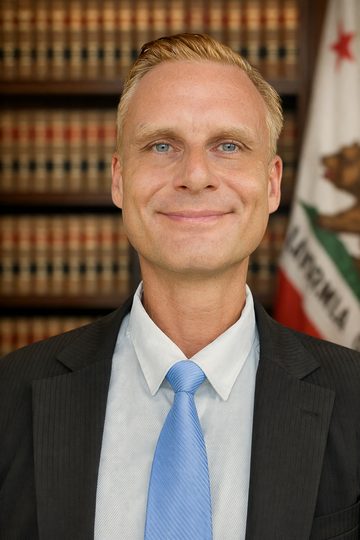
Sergei Tokmakov, Esq.Admitted in California (Bar No. 279869) and Washington (WSBA No. 65720). My law firm won the 2026 American Legal Technology Awards, Law Firm category.
I provide an integrated legal engagement for dietary and herbal supplement businesses that want to assess these issues together rather than treat product labeling, advertising, contracts and consumer protection as unrelated projects.
This engagement costs more than a standard business or e-commerce legal package because it involves a regulated product, FDA classification and labeling requirements, health-claim substantiation, product-liability exposure and potentially sensitive consumer health information, in addition to commercial documents and advertising review.
Legal fee: from $10,000. The engagement letter confirms the exact scope and fee before any payment.
Dietary & Herbal Supplement Business Compliance. The engagement letter confirms the exact scope and fee in writing before any payment. Out-of-scope work is billed at $300 per hour only if you approve it in writing.
- Dietary supplement and herbal product brands preparing for launch.
- Direct-to-consumer nutrition and wellness businesses.
- Private-label supplement businesses working with contract manufacturers.
- Established brands introducing new formulas, marketing campaigns or subscription models.
- Supplement companies using AI to create advertisements, product descriptions and educational content.
- Businesses using AI-powered quizzes or recommendation tools to personalize supplement purchases.
- Companies working with influencers, affiliates, virtual personalities or synthetic advertising characters.
1. FDA product classification and regulatory assessment
I review the proposed formulation, ingredient information, intended use, product presentation and available regulatory documentation.
- Assessment of the proposed dietary supplement classification.
- Identification of ingredient-related regulatory questions requiring additional investigation.
- Review of potential new dietary ingredient notification requirements.
- Assessment of claims that could create drug-classification concerns.
- Identification of relevant manufacturing, quality-control, labeling and adverse-event obligations.
- Written allocation of compliance responsibilities between the brand, manufacturer and distributor.
Relevant authorities include the FDA's Questions and Answers on Dietary Supplements, its new dietary ingredient notification information and its dietary supplement regulatory resources.
The assessment identifies issues requiring qualified scientific, toxicological or manufacturing input. It does not determine independently whether a formulation is safe or suitable for human consumption.
2. Product labeling and claims review
I review one proposed finished-product label and related marketing materials from a legal perspective.
- Review of required labeling elements and relevant disclosures.
- Assessment of structure/function, general well-being, nutrient content, health and disease-related claims.
- Identification of statements requiring substantiation, qualification, modification or removal.
- Review of applicable disclaimers and notification obligations.
- Written label annotations and proposed wording changes.
Under the applicable FDA framework, certain structure/function and related claims require substantiation, a statutory disclaimer and notification to FDA within 30 days after first marketing the supplement with the claim. See the FDA's notification guidance and overview of permitted labeling claim categories.
A disclaimer does not make an otherwise impermissible disease-treatment claim acceptable.
3. Scientific substantiation and advertising assessment
I prepare a claims matrix connecting proposed marketing representations to the supporting materials supplied by the client.
The review considers the overall message conveyed by the advertisement, not simply its individual sentences. Images, testimonials, product names, scientific terminology and omitted qualifications can affect how consumers interpret a claim.
The FTC's Health Products Compliance Guidance explains the agency's expectations concerning competent and reliable scientific evidence for health-related claims.
I evaluate the legal significance of available substantiation, identify gaps and specify questions for independent scientific review. I do not independently validate clinical studies, establish biological mechanisms, perform statistical analyses or certify the adequacy of scientific evidence.
4. AI advertising, synthetic endorsements and affiliate marketing
- Review of representative AI-generated advertisements and promotional scripts.
- Assessment of synthetic customer testimonials, virtual influencers and AI-generated healthcare-professional personas.
- Review of statements suggesting clinical testing, physician recommendations or institutional endorsements.
- Recommendations concerning material-connection disclosures and influencer responsibilities.
- Review of customer review collection, incentives and moderation practices.
- Written advertising review procedures for future campaigns.
Relevant authorities include the FTC's Endorsement Guides, 16 CFR Part 255, and its Consumer Reviews and Testimonials Rule guidance.
AI-generated advertising is not prohibited merely because AI was used to create it. The legal concerns include what the advertisement communicates, whether its representations are supported and whether purported endorsements reflect genuine experiences or opinions.
5. Consumer health privacy and AI personalization
Where the business collects information about symptoms, medical conditions, medications, reproductive health or other health-related matters, I assess the resulting privacy obligations.
- HIPAA, CMIA, Washington My Health My Data Act and CCPA applicability analysis.
- Assessment of health questionnaires, recommendation engines and AI-generated health inferences.
- Review of health-data transfers to advertising, analytics and AI vendors.
- Analysis of permissions for secondary data use, including model training.
- Recommendations concerning privacy disclosures, consent, retention and deletion.
When an accompanying recommendation feature moves toward diagnosis or treatment advice, I also identify questions requiring a separate software or medical-device assessment under the FDA's general wellness guidance. That guidance concerns qualifying devices and software functions, not the regulatory classification of the supplement itself.
6. Commercial documents and operating roadmap
I prepare an agreed set of legal documents addressing online sales, consumer privacy, subscriptions, supplier responsibilities, influencers and AI vendors.
Depending on the business, this may include Terms of Sale, a Privacy Policy, a consumer health data privacy policy, an influencer agreement, a manufacturing or supply agreement, a Data Processing Agreement or a Business Associate Agreement where appropriate.
The final written roadmap identifies corrective actions, outstanding regulatory questions, contract changes, advertising restrictions and continuing obligations, including relevant adverse-event reporting and recordkeeping requirements.
- Ingredient list, formulation, serving sizes and proposed product label.
- Manufacturer and supplier information, specifications and available testing records.
- Scientific studies and other evidence supporting proposed claims.
- Website copy, advertising scripts, influencer materials and customer testimonials.
- Existing supplier, manufacturer, affiliate and AI-vendor agreements.
- Sales jurisdictions, distribution arrangements and subscription practices.
- Description of any consumer health questionnaires, recommendation tools and data flows.
| Component | Starting scope |
|---|---|
| Products | One finished supplement product, one formulation and one SKU. |
| Jurisdictions | Applicable U.S. federal law, California and Washington. |
| Labeling | One complete proposed product label. |
| Legal documents | Up to five customized legal documents. |
| Existing agreements | Review of up to two supplier, manufacturer, marketing or AI-vendor agreements. |
| Advertising | Up to 25 distinct claims across 15 representative promotional assets. |
| Revisions | Two consolidated revision rounds within the original scope. |
Additional formulations, products, materially different labels and broader state-law assessments are separately scoped.
Laboratory testing, formula development, nutritional calculations, toxicological opinions, clinical or scientific validation, manufacturing audits, graphic design, FDA filings, litigation and outside professional fees are excluded.
Additional accepted work may be separately quoted or billed at $300 per hour.
Submit a written product description through the quote request page. I provide a scoped engagement letter for electronic signature if the matter is suitable for acceptance. Payment follows signature. All communications are in writing, without phone calls or video meetings.
Further background is available in the AI Advertising & Marketing Compliance hub.
Frequently asked questions
Will this engagement obtain FDA approval for my supplement?
No. FDA does not generally approve dietary supplements before marketing in the manner applicable to new drugs. Certain ingredients and claims can trigger notification or other regulatory requirements. The engagement identifies applicable issues but does not include regulatory submissions or approvals.
Can I claim that my supplement treats anxiety, diabetes or another disease if I include a disclaimer?
A disclaimer does not override the regulatory classification implications of a disease-treatment claim. I assess the proposed language, its context and whether a legally appropriate alternative is available.
Is a published study about one ingredient sufficient to substantiate claims about my finished product?
Not necessarily. Differences in formulation, dosage, population and measured outcomes may affect whether a study supports the advertised representation. Questions requiring scientific judgment are referred to appropriately qualified professionals.
Can my supplement advertisements use an AI-generated doctor?
The assessment depends on the advertisement's overall impression. A synthetic presenter must not create a misleading impression of actual medical credentials, professional evaluation, endorsement or clinical evidence. Disclosure of AI generation does not necessarily resolve other misleading representations.
Can you review multiple supplements under one engagement?
Yes, with separate scoping. The starting engagement covers one formulation, one SKU and one label. Related products may share certain commercial documents, but their ingredients, labeling and substantiation requirements must still be addressed individually.
Can you continue reviewing advertisements after the launch?
Yes. Businesses with recurring advertising and product compliance needs may consider AI Health & Wellness Outside Counsel or separately scoped work at the applicable hourly rate.
Ask the AI Legal Analyst about your product
Describe your product and markets in a few sentences. You get general legal information right away; scoping and advice come in the engagement letter.
Sergei Tokmakov, Esq., Terms.Law. Admitted to practice in California (State Bar No. 279869) and Washington (WSBA No. 65720). My law firm won the 2026 American Legal Technology Awards in the Law Firm category.
I handle matters in writing: no calls or video meetings. Contact: owner@terms.law.