AI Commercial Use Legal Memo
A California attorney's written analysis of your specific AI use case. I read the platform's terms, apply the latest USCO copyright guidance, and tell you in plain English what you can sell, what license you actually have, and where your client or customer contract needs to change.
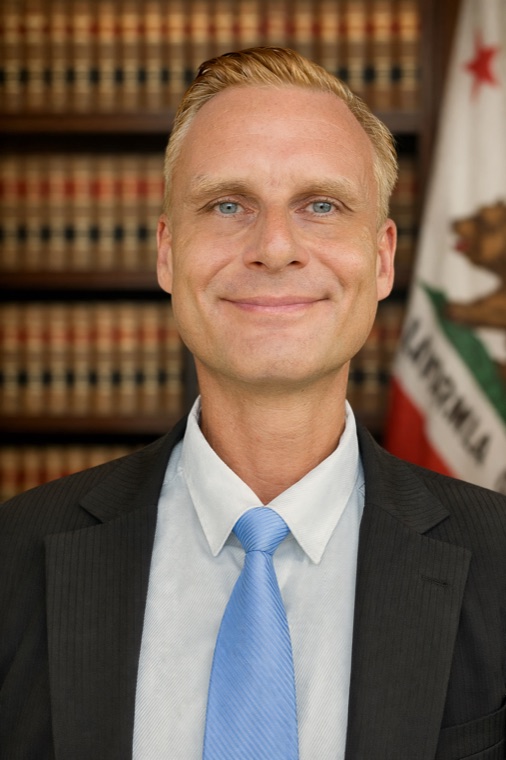
Sergei Tokmakov, Esq. · California Bar #279869 · BU Law J.D.
Who this is for
If you are commercializing AI output and the question "am I actually allowed to sell this?" keeps coming up, this memo is built for you. Not theory, not a generic policy. A written analysis you can hand to a co-founder, a client, a board, or local counsel.
Independent musicians
Selling Suno or Udio tracks to streaming platforms, sync libraries, or licensing them to other creators. The 2024 record-label lawsuits changed the math, and the platform tier you pay for is decisive.
Video creators and editors
Runway, Pika, and AI b-roll in commercial deliverables. The question is whether the client owns it, whether the platform reserved rights, and whether your invoice language matches what the TOS actually grants.
Content and creative agencies
Agencies running Midjourney, Stable Diffusion, or ChatGPT inside client work. You owe the client deliverables you can promise. The memo tells you what you can promise, and what the platform forces you to disclose.
SaaS founders
Building on top of ElevenLabs, OpenAI, Anthropic, or a hosted model. The vendor TOS, your customer agreement, and your AI disclosure all have to line up. The memo audits the stack.
Ecommerce sellers
Selling AI prints on Etsy, AI t-shirts on Amazon, AI-generated product photos. Both the platform and the marketplace have policies; the marketplaces are aggressive about takedowns when the disclosure or attribution is off.
Voice and audio creators
ElevenLabs cloned voices, podcasts that mix AI narration, audiobook narrators using AI. Identity rights, consent, and platform-specific licenses converge here, and one bad clause in a client contract can void your indemnity.
What is inside the memo
Every memo is custom-written to your facts, but the spine is the same. Five sections, each grounded in the actual TOS, the actual USCO guidance, and the actual contract you sent me.
-
Platform terms analysis TOS, plan tier, current version
I read the current TOS for your platform at the plan tier you actually pay for. Free tier, Pro, Enterprise, custom contract: each tier has different commercial-use rights, different reserved rights, and different revocation triggers. I quote the operative clauses, not marketing copy, and I flag the ones most likely to change on you mid-engagement.
-
USCO copyright posture USCO 2023 guidance · 2024-2026 updates
The U.S. Copyright Office position on AI-assisted works has shifted three times since 2023. I apply the current guidance to your specific workflow: how much human authorship are you actually adding, what gets registered, what does not, and what registration strategy gives you the strongest infringement posture if a competitor copies you.
-
Ownership and license clarification platform license · downstream grants
Almost every commercial dispute on AI output traces back to one question: who actually owns it, and what did the platform license to you versus what did the platform reserve. The memo states, in one paragraph, who owns what and what license you are granting downstream, so your client and customer contracts can be aligned to reality.
-
Client and customer contract risk deliverables, indemnity, disclosure
I read your existing client or customer contract, and I flag the clauses that are inconsistent with what the platform actually allows. Common failures: warranty of originality on AI-assisted work, indemnity against IP claims your platform expressly disclaims, deliverables defined in terms that conflict with the platform license. Each gets a fix.
-
Platform-risk recommendations backup vendor, revocation hedge
Platforms change terms. Models get sued. The memo closes with concrete recommendations: which platform clauses to monitor, what to do if the TOS shifts mid-engagement, whether you need a backup vendor, and what disclosure language to use with your customers so future TOS changes do not break your business.
Three engagement tiers
Most clients start with the $1,000 short memo and decide from there whether to extend into contract drafting. Each tier is flat-fee, paid up front, and locked in writing before research begins. There is no confirmed PayPal payment link for these tiers yet, so each card uses an email intake; I send the correct payment link separately by email once the scope is confirmed.
Short memo
- One platform, one commercialization channel
- Three to five page written legal memo
- Platform TOS analysis at your actual plan tier
- USCO copyright posture for your workflow
- Ownership and license clarification
- Immediate next-step recommendations
- Five to seven business day turnaround
I can send the correct payment link separately by email.
Memo with contract clauses
- Everything in the short memo
- Drafted contract clauses for client or customer agreements
- IP allocation and license carve-outs
- Indemnity and warranty language matched to the platform TOS
- Disclosure paragraph for AI-assisted deliverables
- One round of revisions within 14 days
- Seven business day turnaround
I can send the correct payment link separately by email.
Memo, contracts, and platform stack
- Everything in the memo with contract clauses tier
- Customer-facing AI terms language
- Agency or vendor addendum for upstream and downstream parties
- Platform-risk review across the full AI vendor stack
- Monitoring checklist for TOS changes you should watch
- Two rounds of revisions within 30 days
- Ten business day turnaround
I can send the correct payment link separately by email.
Or send me your facts in this form
If you would rather not write an email, fill this out. It goes to my inbox the same way, and I reply with the tier I recommend and the correct payment link.
Why me, specifically
I have written AI commercial-use memos for musicians selling on Spotify, agencies running Midjourney on client work, SaaS founders building on ElevenLabs, and ecommerce sellers fighting Amazon takedowns. I read every platform TOS update; I do not rely on summaries.
What I provide: a written memo addressing the questions, materials and intended uses defined in the engagement. I prepare the memo using AI-assisted tools, review the work before delivery, and remain responsible for its content.
Frequently asked questions
The questions every prospective client asks me before commissioning the memo. Short answers, written by me, in plain English.
Which AI platforms do you cover?
I have written memos on Suno, Midjourney, Runway, ElevenLabs, Stable Diffusion, Leonardo, Pika, ChatGPT, Claude, Gemini, GitHub Copilot, DALL-E, and Canva. If your platform is not on this list, I read its terms before I quote you. Most platforms fall into the same three or four contract patterns, so the analysis transfers; the specific TOS quotes do not.
How fast is the turnaround?
Five to seven business days from the time I have your facts and the engagement fee. The full-stack tier at $2,500 can take ten business days because the contract and addendum drafting is heavier. If you have a hard deadline, tell me before you pay; I will say yes or no in writing.
What counts as a "use case"?
One platform, one commercialization channel, one revenue model. Selling Midjourney prints on Etsy is one use case. Selling Midjourney prints on Etsy and licensing the same images to a stock site is two. Running a Suno-powered podcast is one. Running a Suno-powered podcast that also licenses tracks to other creators is two. If your situation is layered, the $1,500 or $2,500 tier is the right starting point.
Is the memo protected by attorney-client privilege?
Yes. The engagement creates a California attorney-client relationship limited to the scope of the memo. The memo itself, my notes, and your communications with me are privileged. If you want the memo addressed to a co-founder, in-house counsel, or board, tell me at intake so the engagement letter names everyone who is covered.
What is the jurisdictional limit?
I am a California attorney and the memo is grounded in California and federal law. Copyright, the USCO guidance, and most AI platform TOS questions are federal and contract issues, which travel well across state lines. State-specific consumer-protection or IP-portability issues outside California get flagged but not litigated; I will refer you to local counsel if your matter needs a state-specific opinion.
What is the refund policy?
If I have not started research, I refund the full fee. Once I have started and you cancel, I bill at the $300 hourly rate against the engagement fee and refund the balance. If I deliver the memo and you do not find it useful, tell me what is missing and I will revise once at no charge. Outside that, the engagement fee is earned.
What is NOT included?
I do not file copyright registrations, send takedowns, defend infringement claims, or negotiate platform disputes inside the memo fee. Those are separate engagements. The memo is a written legal analysis you can act on, take to local counsel, or use to negotiate with a partner or platform. If after the memo you want me to do downstream work, I will quote it in writing.
Can you address my customer or client contracts at the $1,000 tier?
No, the $1,000 tier is analysis only. If you need drafted contract language, the $1,500 tier covers the AI-touching clauses in one client or customer agreement template. The $2,500 tier covers customer-facing AI terms plus an agency or vendor addendum. Trying to compress contract drafting into the short tier produces shallow language that does not actually allocate risk.
Try a live AI governance workroom
If my AI commercial-use memo flags a training-data or autonomy risk for your product, this demo shows how I paper that boundary. Flip a tool's account type or training posture in the AI vendor matrix and watch its rating react in real time, work the confidentiality and citation-verification checklists, sort the risk register, and click any clause of the locked AI Use Policy to comment or suggest an edit in track changes.
Open the live demo workroom How I build these for firmsRelated resources on Terms.Law
The platform-specific guides below feed directly into the memo. If you read them and still have a question about your own commercialization, you are exactly the reader this product is built for.
Building an AI trading coach or behavioral trading-analytics product? If users compete for prizes, receive trading-related feedback, or interact with named securities, the review should cover both AI commercial-use issues and the financial-regulatory and contest-classification layer. See my Trading Contest Legal Memo.
Start with the short memo
One platform, one use case, a written legal memo in your hand inside a week. If you need contract drafting after that, I credit a portion of the memo fee against the contracts tier.
Request this package - $1,000